Now the explanation rolls out in two seconds
How GP practice De Enk uses Ask Aletta in their daily work
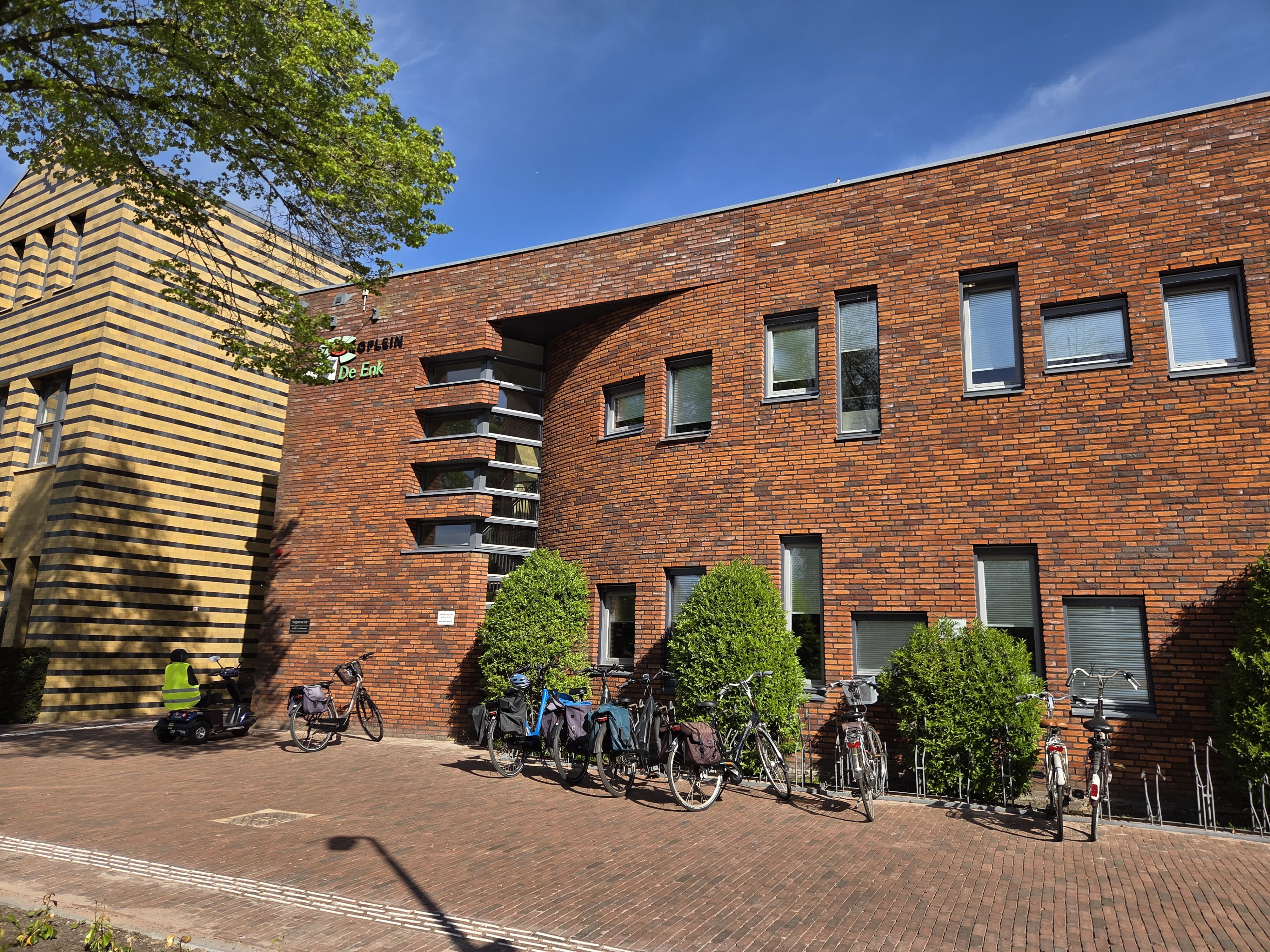
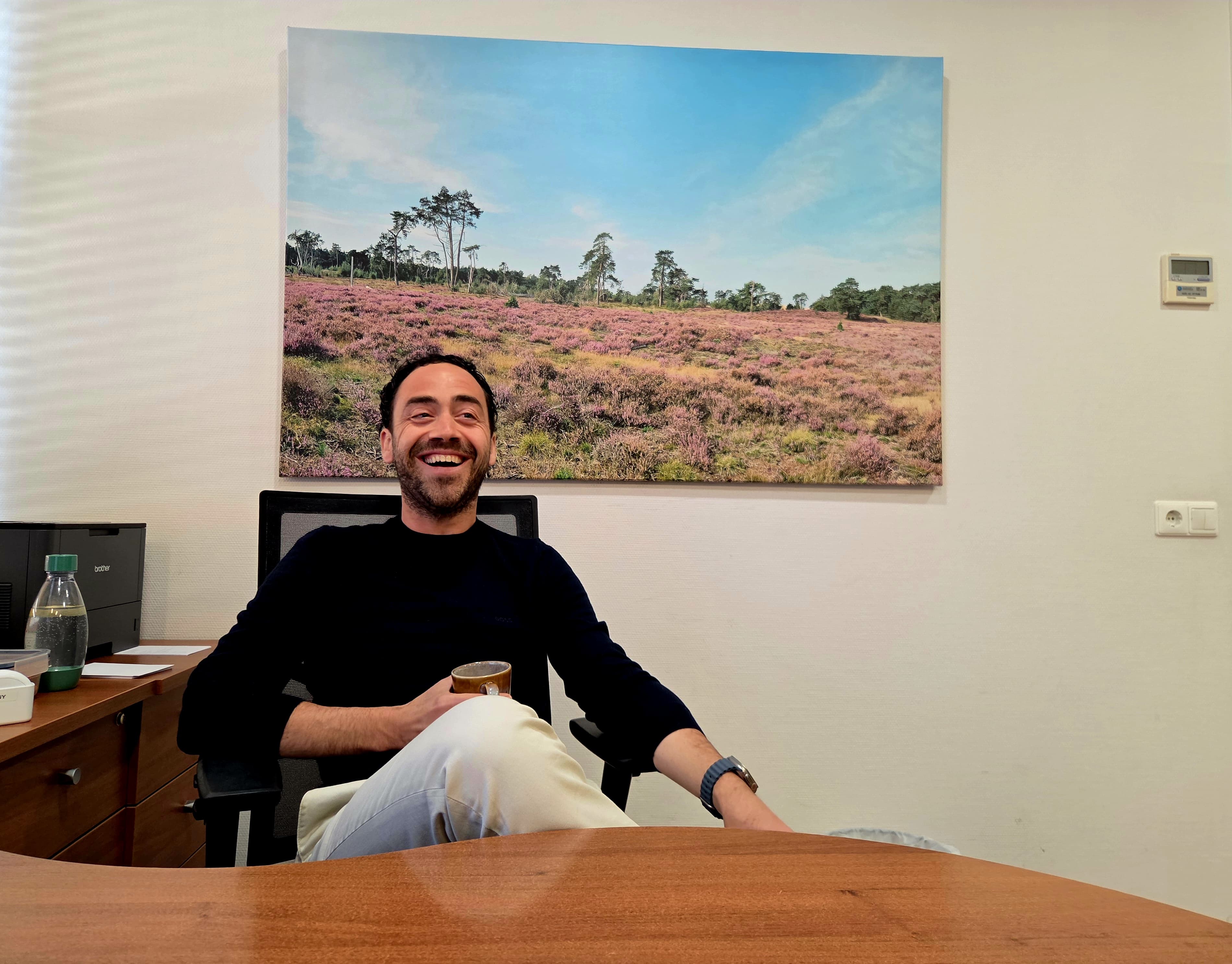
"It's actually a bit of dumb work", says GP Paul Morgenstern about answering assessment letters from insurance physicians. He had to do another one last night: a back complaints case file with multiple sub-questions. Normally that means searching through the journal, looking up letters, figuring out the layout. Work that piles up. This time he tried something new. He pasted the insurance physician's question into Ask Aletta, together with journal entries and the specialist letters about the back complaints. "A fantastic write-up came out, which I obviously had to check against the letters, but it really fit very well." A quarter of an hour saved, he reckons. And above all: no longer the frustration of this work eating into his day.
A partnership of six
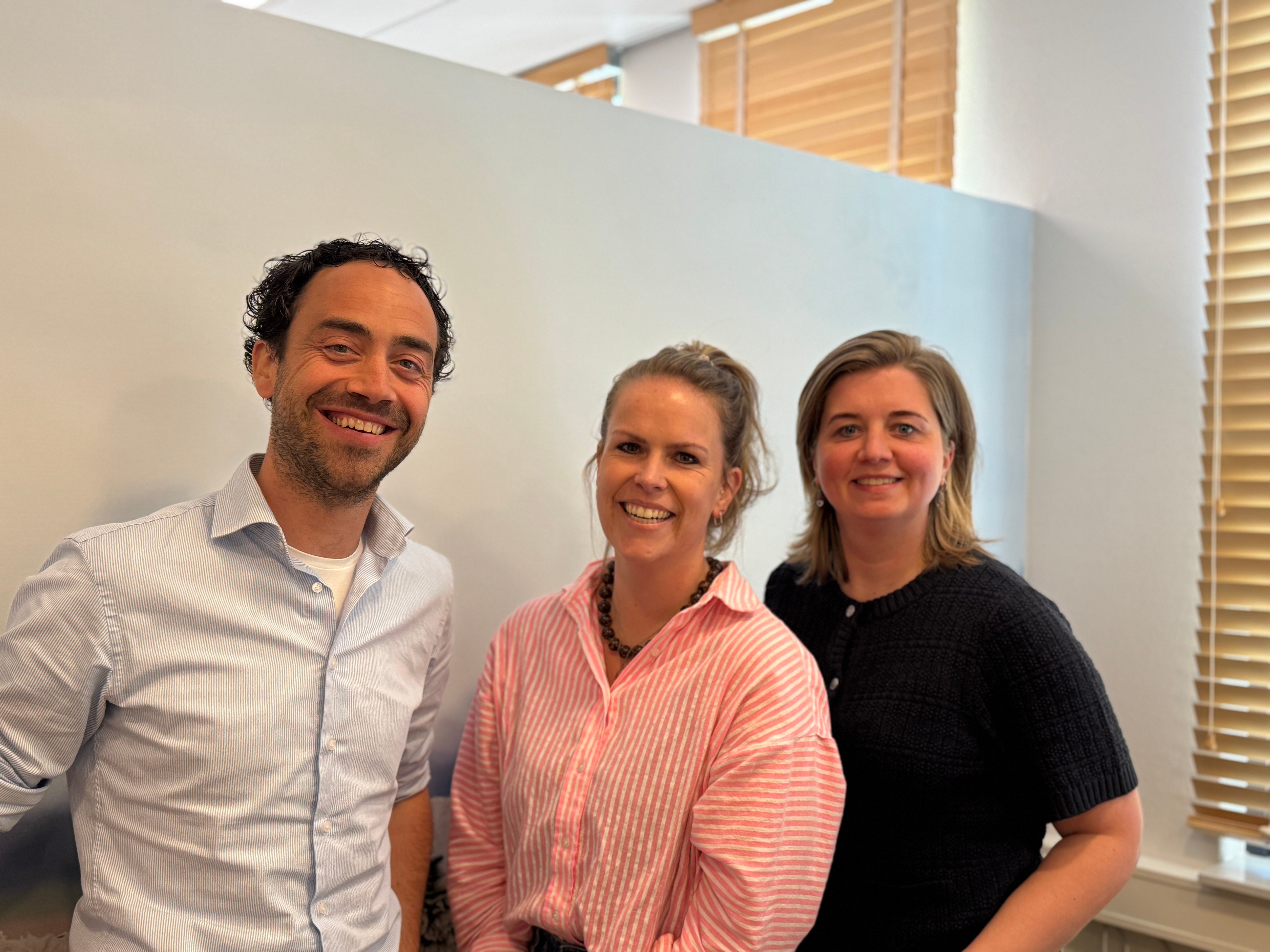
Paul is one of the three Morgenstern brothers working at De Enk. The Nunspeet practice merged from three practices into one partnership last year. Six doctors in total, all six "patient holders". They use that word themselves, to keep the hierarchy around decision-making flat. Patients are divided across three duos of doctors, so every patient has two regular faces.
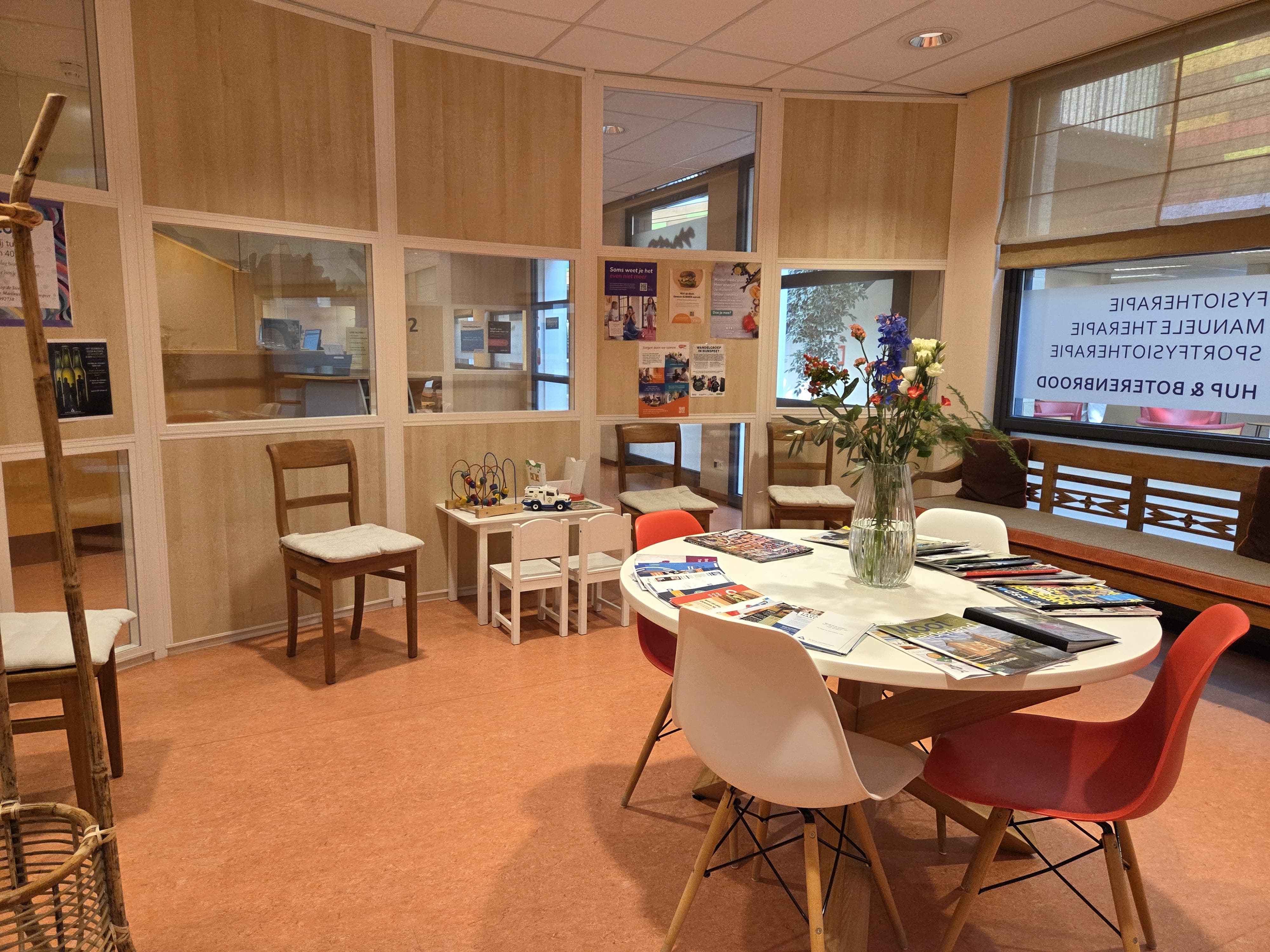
De Enk sits in an ageing region with a lot of chronic care. Personal care is something patients value here. Within the team, medical assistants and practice nurses get more say than they used to, and roles are allowed to blend where possible. If a medical assistant enjoys something that normally sits with a practice nurse, she gets the space for it. Who picks up which questions isn't set in stone.
Around the consultation
Paul himself uses Ask Aletta most in between things. "For questions during my consultation, before a consult or after, when I want to look up something medical." With the prompt coach, he has learned to phrase his questions a bit more specifically, which makes the answers more useful.
Otherwise, he mainly uses it for the edges of the job. He has the tool rewrite consult responses and patient explanations into easier language for patients who need that. Medical letters he has translated: recently one in French, which he could read back with his limited French. And around every holiday period, he uses it for medication declarations. "Then something can be drafted very quickly, where you only need to fill in the patient details and your own details."
In supervising the physician assistant in the practice, he uses the tool as a shared lookup source. Checking things together helps her learn faster which questions she can handle on her own.
In addition, the practice has about fifty local protocols stored in Ask Aletta: chronic care protocols plus the practice's own procedures. For example, how a medical assistant can independently order a urine culture or prescribe a course of antibiotics. Paul finds that pleasant to work with. What he'd still like to see: that practices themselves can more easily upload and replace protocols, because procedures change regularly.
Specialist letters in two seconds
Chronic care nurse (POH-S) Kira runs the chronic care clinics: cardiovascular risk management, diabetes, asthma and COPD. Plus some smoking cessation and a small amount of elderly care. Specialist letters are her main reason to open Ask Aletta. With a complicated letter she used to spend ten to twenty minutes unpicking and Googling: looking up terms on different sites, putting together a summary herself. "Now the explanation rolls out in two seconds." She pastes the letter in with one line of context, something like this patient is coming to see me about his asthma, he uses this medication, can you give some advice?, and gets back a readable summary with advice. About once a week.
When the team gets stuck
She also uses it for cases where the team gets stuck. For a patient with unexplained coughing, the tool suggested something they had overlooked themselves: think about stomach acid. "Oh yes! We do see that sometimes! We get so focused on one thing." For a patient with declining kidney function and a long medication list, she asked which drug she should review first. For a smoking cessation consult for someone with depression in their history: which medication is preferred, and what about Bupropion? And for a patient where a lung function test came up empty, she asked a question she wouldn't have got to via Google: can an iron deficiency affect spirometry? "Where on earth would I look that up? I'm not going to Google that. But I will throw it in here." The answer was yes. An iron deficiency can affect the breathing muscles. "Then you start looking at that patient differently again."
Letters tailored to the patient
Just as important to Kira are the letters she gives patients to take home. "Thuisarts is very general. It gives very broad advice." And that breadth grates especially in chronic care. "If someone is in a wheelchair, I'm not going to say: yes, you have to exercise for half an hour a day..." No. She asks the tool for a tailored letter, with adjusted language level, fitting what this patient already does and can do. "This is you, and you happen to have diabetes. We want a tailored plan for you." It also works well for patients with low literacy, for whom even the information on Thuisarts can stay just a little too complicated.
For someone still in training
Colleague Carola is in another phase. She's a medical assistant and in training to become a chronic care nurse, combining those roles right now. For her, Ask Aletta is both a work tool and a study aid. When her training supervisor was on holiday recently, she had a patient at the cardiovascular risk clinic referred from the urologist who had had an LDL above 5 for some time. There wasn't much more to advise on lifestyle, and it was unclear whether genetic testing made sense. She put the question in, with context, and got back well-founded background information that the GP could base a decision on.
What she gets out of it most is confidence. "I feel more sure of myself because of it. I can give a patient a very concrete, well-founded answer, without getting lost in the maze of all kinds of websites on the internet." With blood pressure medication, for instance, she gets not just a suggestion of which drug class to start from, but also the reasoning why that choice makes sense. "That's really a great addition."
She uses it for her training as well. For an assignment about differences between population groups in diabetes, ChatGPT as an alternative felt too vague. "They pull information from anywhere and everywhere." Ask Aletta feels grounded. "This meets certain standards, so I also get information that's correct."
On the phone as a medical assistant
Since the conversation for this case study, she's also started using it more in her work as a medical assistant. A mother called about her child with molluscum contagiosum and wanted to know what to expect. Carola typed it in as a search term and immediately got an overview, plus a website where the mother could read further herself. Another time, someone called who had sustained a wound and was advised to get a tetanus shot, but couldn't come into the practice at that moment. Carola was able to inform him directly within what timeframe the vaccination would have to be given.
"This actually applies to a lot of questions I get on the phone. I'm definitely going to use this much more often in my work as a medical assistant too."
Until recently, she says she was still under-using it. When Kira told her about the specialist letters, she thought: I never thought of that. That says something about how it spreads here. Colleagues pass it on to each other during team meetings. Paul is glad to hear that: when his team comes in, someone now regularly says "I already asked Ask Aletta as well."
Who uses what, and how often
| Who | Functionality | Frequency (approximate) |
|---|---|---|
| Paul Morgenstern GP | Medical content questions during and around consultations | Daily, most-used |
| Answering assessment letters from insurance physicians | Weekly | |
| Translating consult responses into easy language | About 2× per week | |
| Translating medical letters | Occasional (recently French) | |
| Drafting medication declarations for holiday periods | Seasonal | |
| Looking things up together with the physician assistant (teaching) | Ongoing | |
| Kira Chronic care nurse | Summarising specialist letters in patient context | ±1× per week (±4/month) |
| Handling complex questions herself in the EHR instead of in-person consult with GP | 4–5 per month | |
| Thinking along on unexplained complaints | Several times, occasionally | |
| Medication advice with interactions and declining kidney function | Occasional | |
| Personal patient letters at appropriate language level | Occasional | |
| Drafting protocols and checking them against Dutch College of GPs (NHG) standards | When protocols update (e.g. CVRM) | |
| Lung attack action plans for asthma/COPD | Occasional | |
| Carola Chronic care nurse in training | Answering patient questions when she's on her own | Concrete example, not quantified |
| Reasoning behind medication choices (e.g. blood pressure) | Regularly during cardiovascular risk clinics in training | |
| Well-founded information for training assignments | Recurring during training | |
| Phone triage as medical assistant (e.g. molluscum, tetanus) | Increasingly, since she started using it |
How the work (and the joy in it) changes
The first thing both Paul and Kira come back to is the joy of work. Paul gets his "dumb work" out of the way faster. Kira has to physically approach the GP for consultation less often. She estimates that she now handles four to five patients a month herself in the system that she would previously have consulted about. The question is in there, with explanation and reasoning, and the GP can sign off with one click. "I think you now keep more of the consultations that really are for the GP."
About the quality of care, Kira makes a careful observation. Sometimes Ask Aletta gives something that even the GP wouldn't immediately think of: a drug playing a role in the background in declining kidney function, a different line of thinking on unexplained complaints. "It gives a lot of things that otherwise maybe even a GP doesn't know, and thinks: come on, let's just refer this patient to the pulmonologist, because we don't know." Paul recognises that. With ChatGPT and the like, he has regularly seen hallucinations come past. With Ask Aletta, never. Occasionally an advice deviates from what's standard in primary care, presumably because a secondary care guideline plays in. He sets that aside. But the made-up answers that general chatbots are known for, he doesn't see here.
The same tool, different roles
Ask Aletta works differently for every user. Kira uses it for her chronic care clinics, Paul for his administrative edge tasks and the questions between consults, Carola for her training and the first times she's on her own with a patient. Kira notices it with trainees too: when someone gets stuck, sometimes it's enough to put the case in and get a tip to move forward.
For patients, it works out just as differently. Whoever struggles with language gets a letter at their level. Whoever doesn't speak Dutch as a first language can get a translation.
"It remains very healthy to be critical"
Asked what he'd say to a GP peer group colleague who distrusts AI in healthcare, Paul is clear: "Never trust it either. It remains essential and very healthy as a doctor to be critical. In fact, we have to keep training ourselves to keep thinking critically. But of the AI tools, Ask Aletta does give reasonably error-free answers." It's patient-specific work. Checking remains part of the process.
Kira makes a similar caveat, but from a different angle. "I think you should also never use it as the first step. Because then we might all get a little lazy together." Carola particularly recommends the tool to junior chronic care nurses, trainees, and colleagues who still need to learn the practice guidelines. For the older, less digitally-inclined generation, she's more cautious, because the threshold is higher for them.
What Ask Aletta ultimately delivers, Paul sums up most briefly himself: "It definitely saves me time. It saves me energy too. Things I just don't enjoy doing. So overall, it gives me more joy in my work."